

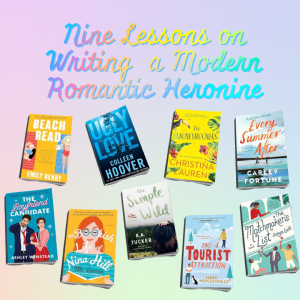
Romance novels have hit the mainstream. Just look at the shelves on your next bookstore visit. You’ll find a ton of illustrated covers in various shades of pastel, each with blurbs on the back promising a funny yet profound love story. These novels all have several things in common, like the romance novel tropes that readers expect. More importantly, the female protagonist is both believable and compelling.
From character development to plot progression, a lot goes into creating a well-rounded and relatable leading lady. But how do you write such a character? The best way is to read up and learn by example.
Here are the NINE LESSONS ON WRITING A MODERN ROMANTIC HEROINE that I’ve learned from romance novels I’ve read in the last couple of years:
1. Give Her a Strong and Unique Voice
A strong and unique voice not only makes the character stand out, but it also allows readers to get inside her head and understand her thoughts and emotions. Take January Andrews in Emily Henry’s Beach Read. January’s snarky and sarcastic inner monologue immediately draws readers in. Her voice is witty, self-deprecating, and relatable, making her a character readers root for.

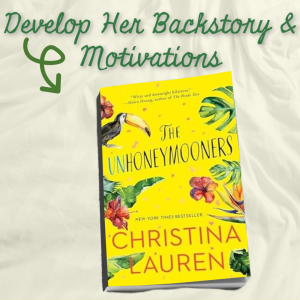
2. Develop Her Backstory and Motivations
A well-developed backstory and motivations are crucial for a compelling female romantic protagonist. It gives readers a deeper understanding of the character and the choices she makes throughout the story. In The Unhoneymooners by Christina Lauren, protagonist Olive Torres has had bad luck her entire life, and she’s also a bit sensitive about her body image. This explains her actions and choices throughout the novel. Understanding a character’s motivations allows readers to empathize with them.
3. Show Her Flaws and Vulnerabilities
No one is perfect, and the same goes for fictional characters. In Ugly Love by Colleen Hoover, protagonist Tate Collins is driven and capable, but she’s not always quick to forgive or to trust others. This makes her character more human and allows readers to see her growth throughout the story. A character who is flawless and invincible can be challenging to relate to, so go ahead and show her imperfections.

-
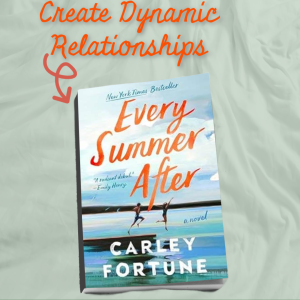
Create Dynamic Relationships
A romantic heroine is not complete without dynamic relationships. Whether it’s with their love interests, family, or friends, relationships play a significant role in shaping a character. In Every Summer After by Carley Fortune, protagonist Persephone Fraser’s relationship with her best friend is a significant aspect of the story. The bond between them began in middle school, and became deep and complex through many ups and downs as they grew. The friendship and its struggles adds depth to Persephone’s character. The portrayal of meaningful relationships can bring a character to life.
-
Give Her Agency and Independence
In romance novels, it’s essential to give the female protagonist agency and independence. She should not be solely defined by her love interest or rely on them for everything. In The Boyfriend Candidate by Ashley Winstead, protagonist Alexis Stone is a school librarian who is working hard to establish her independence. Even when she starts to fall for her fake boyfriend, Logan, she never gives up on her quest to find herself. A character with agency and independence is empowering for readers.

-
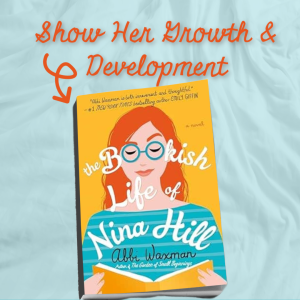
Show Her Growth and Development
A romantic heroine should grow throughout the story. This adds depth to their character and makes their journey fulfilling. In The Bookish Life of Nina Hill by Abbi Waxman, protagonist Nina starts off as a shy and introverted bookworm who prefers to avoid social situations. But as she starts to open up and let people into her life, she learns to take chances. Readers love to see characters evolve and overcome their fears.
-
Make Her Three-Dimensional
One-dimensional characters are dull. Avoid this by giving your protagonist lots of layers. In The Simple Wild by K.A. Tucker, protagonist Calla Fletcher starts off as a spoiled and self-absorbed city girl. But as she spends time in the Alaskan wilderness, she discovers new sides to herself. Multiple dimensions make a character dynamic, keeping readers engaged in their progress.

-
Create Authentic and Realistic Romances
Chemistry between love interests is an essential part of any romance. However, it’s equally important to make an authentic and realistic relationship. In The Tourist Attraction by Sarah Morgenthaler, Zoe Patterson and Graham Barnett begin as enemies but eventually fall for each other. Their romance is grounded in genuine connection and understanding. A well-developed and realistic romance adds depth to a female protagonist’s journey.

-
Allow Her to Be Multifaceted
As I’ve already said, your romantic heroine should never be defined solely by her love interest or romantic relationships. In The Matchmaker’s List by Sonya Lalli, protagonist Raina Anand has a successful career and is also deeply connected to her Indian culture. Her character is multifaceted, and her romantic relationships are just one aspect of her life. Allowing a character to have different facets makes them believable, and can help add subplots to your novel.

I am so excited that romance is now considered a legit form of mainstream fiction. If you’re like me, eager to explore new ways of writing layered, character-based love stories, then remember this: Readers are drawn to characters who are complex, flawed, and ultimately human. Characters we can root for and connect with on a deeper level.
Leave a Reply