


There are so many popular romance novels tropes, and it can be a bit confusing, navigating them all. But fear not! Here is a rundown of six classic tropes, with examples from novels written by Jane Austen, Emily Bronte, and Charlotte Bronte. Which one is your favorite?
1. Enemies to Lovers: Pride and Prejudice
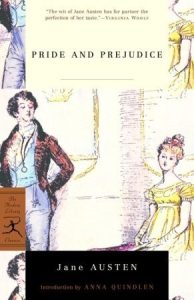
Jane Austen’s Pride and Prejudice tells the story of Elizabeth Bennet and Mr. Darcy, who start off on the wrong foot, clashing due to their pride and prejudices. However, their feelings slowly start to change, and they eventually fall deeply in love.
This trope allows for character growth, as both Elizabeth and Mr. Darcy have to confront their own flaws and prejudices in order to overcome their initial dislike for each other.
2. Second Chance Romance: Persuasion
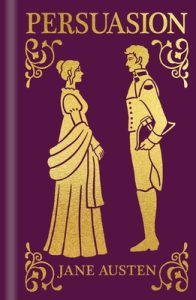
In Jane Austen’s Persuasion, the main characters were engaged eight years ago but had to part ways. When they meet again, both still have feelings for each other, but they must overcome past misunderstandings and pride to find their way back to each other.
The second chance trope allows for a more mature and deeper love to blossom between the characters, as they have already experienced the pain of losing each other. It also adds an element of hope and redemption to the story.
3. Friends to Lovers: Emma
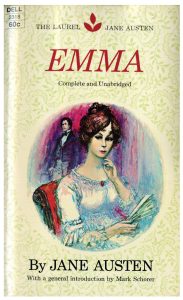
Jane Austen’s Emma tells the story of Emma Woodhouse and Mr. Knightley, two childhood friends who have always been close but never considered each other as romantic partners. However, as they grow older, their feelings change, and they realize that they have been in love with each other all along.
This popular trope highlights a deep understanding and connection and allows for a slow-burn romance.
4. Love Triangle: Sense and Sensibility
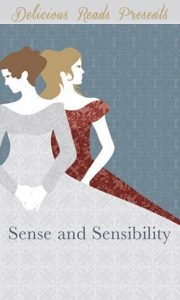
The love triangle trope is a staple in many romance novels, like in Jane Austen’s Sense and Sensibility. The novel follows the Dashwood sisters, Elinor and Marianne, as they navigate the complicated world of love and relationships. Love triangles add an element of drama as the sisters both must choose between two potential love interests. It also allows for exploration of different types of love, as each character’s decision reveals their priorities and values.
5. Forbidden Love: Wuthering Heights
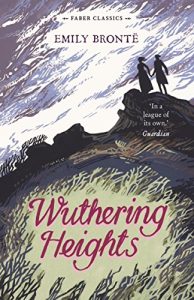
The forbidden love trope is a timeless theme in classic romance novels. Wuthering Heights tells the story of the passionate but doomed love between Catherine Earnshaw and Heathcliff. Despite the obstacles, Catherine and Heathcliff’s love endures, but ultimately leads to tragedy.
Forbidden love adds an element of danger and intensity to the romance. It also allows for exploration of class and social barriers that can prevent two people from being together.
6. Grumpy versus Sunshine: Jane Eyre
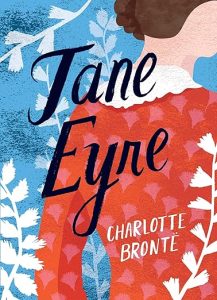
Charlotte Bronte’s Jane Eyre is about Jane, a plain and strong-willed governess, and Mr. Rochester, a moody and brooding master of the estate where she works. Despite their initial clashes, Jane’s wit and optimism starts to soften Mr. Rochester’s grumpy exterior, and they eventually fall in love.
This trope creates a dynamic between two opposing personalities, and the gradual melting of the grumpy character’s heart adds a layer of sweetness and depth to the romance. The characters challenge and complement each other, leading to a well-rounded and balanced relationship.
Are you looking for more romantic tropes? Then subscribe to Laurellit.com to get your FREE DOWNLOAD of my Taylor Swift inspired short story, Love and Poetry.
Leave a Reply