


Many of us appreciate a good love story where we can expect a happy ending. Except for when it comes to the manic-pixie-dream-girl trope (or MPDG). Then, the opposite is true. MPDGs tell a different kind of love story–the bittersweet type. Often, with MPDGs, the ending is sad.
The term manic pixie dream girl was first coined by film critic Nathan Rabin in his review of the 2005 film Elizabethtown to describe female characters portrayed as whimsical, quirky, and free-spirited, with a sole purpose of helping the male protagonist to find meaning and happiness in their lives.
I was unaware of the trope until I began watching John Green’s YouTube videos with literary analysis of books like The Great Gatsby and Fahrenheit 451. His analysis is super-engaging and helpful (I taught both books to my high school students). But he uses “manic pixie dream girl” in a way that’s a bit dismissive, implying that Fitzgerald and Bradbury were a bit lazy while developing Daisy and Clarisse. I don’t disagree, but it’s also ironic, since John Green’s novels often contain MPDGs, especially Margo in Paper Towns and Alaska in Looking For Alaska.
So, what are the problems with MPDGs? Here’s a few…
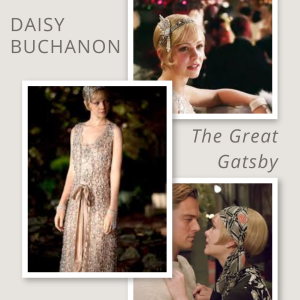
She’s Whimsical, But Lacks Agency
A MPDG’s role is to teach a boring man how to live. She may seem fascinating, but she exists only as a supporting character for a man.

Her Depiction Romanticizes Illness
Usually, it’s a mental illness that she’s dealing with. Sometimes, it’s a disease or an existential threat. No matter what, her struggles aren’t explored as anything more than as an obstacle for the male protagonist’s romantic quest.
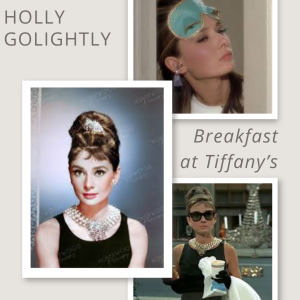
Her Beauty is Unconventional
MPDGs reject cultural standards. But that makes them all the more beautiful. They live life the way they want, despite what “other girls might do.” This would seem highly-evolved, if she wasn’t naturally waif-like and effortlessly pretty, making those without such qualities seem like they’re trying too hard.
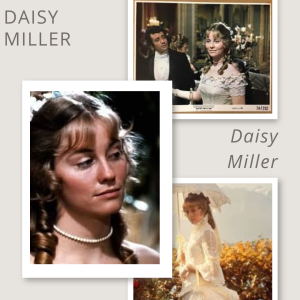
She Must Save a Damaged Male, Even is She’s Damaged Herself
MPDGs become a plot device. They are only about saving the man in their lives, either spiritually or emotionally. After she’s done saving him, she disappears from the story. Because, like I said, love stories with MPDGs often do not have HEAs.
(*side note: I’ve never seen Elizabethtown, the genesis for the terming of MPDGs. But I understand it has a HEA. So, obviously there are exceptions to these rules.)
Okay. Here’s the last reason why MPDGs are problematic. This reason I came up with on my own. (You can find all the other reasons at various places online.)
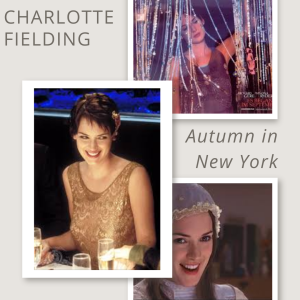
She Can’t Mature or Grow Old
In female-centric romances, there is always room for both love interests to mature. There’s hope they can grow old together. But with MPDGs, the emphasis is on girl. What happens when she becomes a woman?
No movie or book captures the MPDG myth better than Autumn in New York, a romantic tragedy starring Richard Gere and Winona Ryder, released in 2000.
There’s so much to say about this movie and how Winona’s Ryder is not only the quintessential MPDG, but also the perfect example of someone who could never grow. That’s why I’m writing an entire post about this film that most people have forgotten about.
Stay tuned!

You can start reading my FREE, Taylor Swift- inspired short story, Love and Poetry today!
Leave a Reply